We’re not afraid to tackle those tough topics; and bring positivity to stories of pain, behavioural struggles, grief and loss; to help children, their families, caregivers, and educators find a way through some of life’s tougher moments.
A selection of games to make your cleaning tasks easier to achieve. Games reduce overwhelm during cleaning by transforming tedious, “endless” chores into structured, rewarding, and time-limited challenges.
The games, which work well for both children and adults, and include strategies such as pretending you’re on a ‘secret cleaning mission’.
Games limit overwhelm by breaking cleaning into tiny, achievable chunks.
Quick wins give a dopamine boost and keep motivation up.
The games can be repeated as many times as needed—progress is always visible!
Visual progress and variety keep things interesting.
Small, specific tasks prevent overwhelm.
Built-in rewards and fun twists boost motivation and dopamine!
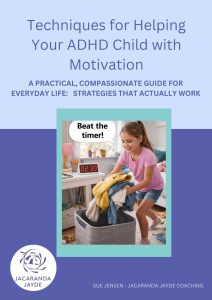
A practical, compassionate guide for everyday life: Strategies that actually work.
In this e-Book you will find some easy to use, practical strategies for helping you and your child overcome the challenges of motivation when you are living with ADHD. Included is a practical, evidence informed, ADHD-friendly list of techniques on how to manage, calmly.
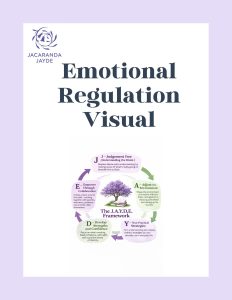
Do big emotions take over when something doesn’t sit right with you or your ADHD child?
This set of 10 strategy cards will help you or your child manage your big emotions in the heat of the moment. Build up a bank of strategies by practicing in moments of calm, and it will become second nature. You will be able to pull any one of these out of the hat when you most need it, to calm down. Print and spiral bind or just use as laminated single sheets.
Resilience affirmations help people with neurodivergence such as ADHD or dyslexia by directly combating the chronic stress, negative self-talk, and low self-esteem often caused by navigating a neurotypical world. By regularly repeating positive, strength-based statements, individuals can rewire negative thought patterns, reduce anxiety, and foster a “growth mindset” that views challenges as opportunities rather than failures. Specifically, they can:
1. Counteract Negative Self-Talk and Shame
Individuals with ADHD or dyslexia often internalize negative feedback from school or work, leading to self-limiting beliefs.
2. Strengthen Emotional Regulation and Reduce Stress
The daily effort to focus or process information can be draining, causing high stress and anxiety.
3. Foster a Growth Mindset and “Neuro-Inclusion”
Affirmations encourage viewing neurodivergent traits as unique strengths rather than deficits.
4. Examples of Resilience Affirmations
Effective affirmations are realistic and connected to daily experiences. e.g. “I am not broken, I am brilliantly wired.”
5. Scientifically Backed Mechanism
The brain can actually be rewired through these practices, a concept known as neuroplasticity. Regularly affirming positive beliefs creates new neural pathways, making proactive coping mechanisms more habitual over time.
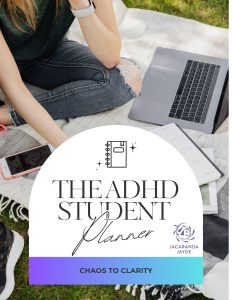
Are you a student, or do you care for a student with ADHD, who struggles to keep track of what’s happening, deadlines, etc? You’ve tried traditional planners that haven’t worked because they don’t fit with how your brain works?
Welcome to your brain’s new best friend. This planner is different!
This planner is designed to help you hack your executive functioning, beat time-blindness, and get stuff done without burning out. It’s a tool, not a rulebook. You are a curious problem-solver. Let’s make sense of the chaos together.
These are the 4 golden rules of the un-planner:
You will find checklists, worksheets, and ideas lists for your various energy levels, and dopamine hits.
Your brain is brilliant, creative and fast. When the school system feels like it’s built for someone else, remember that you are allowed to build your own systems. Use what helps, leave what doesn’t, and keep moving forward. You’ve got this.
This guide is designed to help you enhance areas of your life that your ADHD brain is challenging you, not just one or two isolated aspects.
THE POWER OF SMALL CHANGES
Real transformation doesn’t require dramatic overhauls. Small, consistent
improvements in multiple life areas create powerful momentum. When you
work on your emotional wellness, it naturally supports your relationships. When
you improve your daily habits, your physical health benefi ts. Everything is
connected.
As you work through this guide, remember that self-improvement isn’t about
perfection. It’s about progress, awareness, and becoming more of who you
want to be.
This guide is designed to help you enhance areas of your life that your ADHD brain is challenging you, not just one or two isolated aspects.
THE POWER OF SMALL CHANGES
Real transformation doesn’t require dramatic overhauls. Small, consistent
improvements in multiple life areas create powerful momentum. When you
work on your emotional wellness, it naturally supports your relationships. When
you improve your daily habits, your physical health benefi ts. Everything is
connected.
As you work through this guide, remember that self-improvement isn’t about
perfection. It’s about progress, awareness, and becoming more of who you
want to be.

This true story of a young girl facing chronic pain, illness and many medical procedures guides you through the strategy of visualisation. Told from this girl’s perspective, in story book form, it is easy for children to access with guidance from their respected adult.
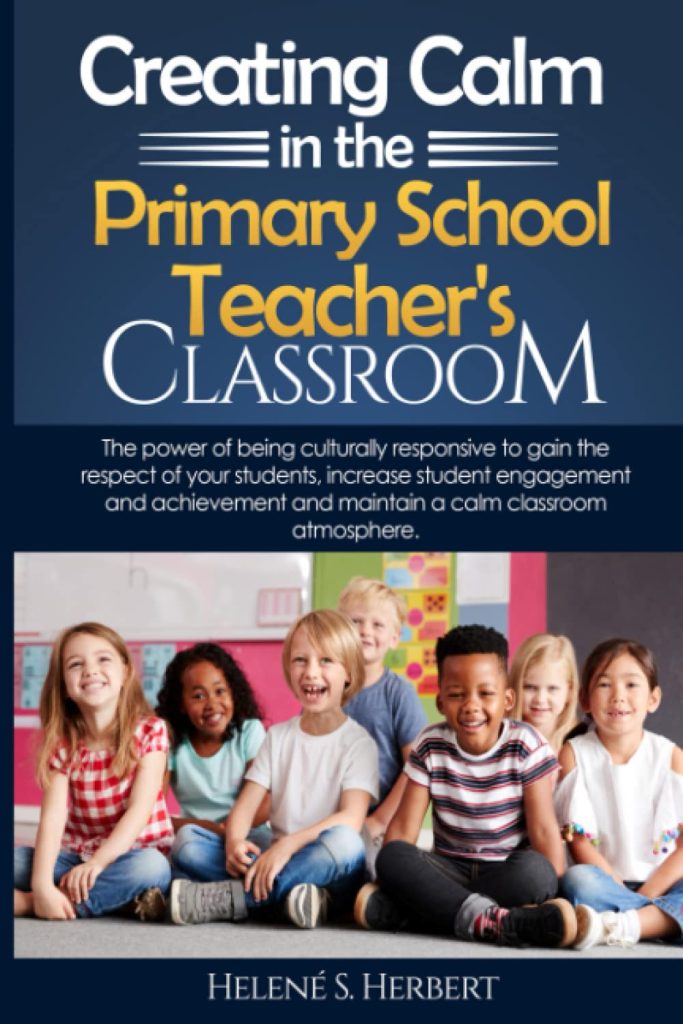
Culturally responsive teachers can achieve a calm classroom full of diverse, engaged learners.
While some teachers have an innate ability to develop close connections with their students and build classrooms full of eager students, others find this difficult. However, by implementing a few simple ideas you too can gain the respect and engagement of your culturally diverse students and their families.
Stronger relationships between teachers and students, results in many positive outcomes including academic achievement, reduced behavioral challenges, increased engagement with learning programs and mutual respect. When students feel valued, they respond more positively.
Culture is represented in many ways. While we generally think of culture from an ethnic perspective, it can also involve aspects such as learning styles, intelligences, personal values and social mannerisms. It is a commonly misunderstood aspect of mainstream schooling.
If you are struggling to:
• control your students’ behavior,
• engage students in learning,
* help your students reach their potential,
• receive respect from your students,
research shows that culture is often at the centre of these issues.
This book is designed to help you solve these problems and gain the calm you seek in your classroom.
In Creating Calm in the Primary Teacher’s Classroom you will learn:
★ The function of behavior and how to modify challenging behaviors.
★ How to understand your culturally diverse students more deeply.
★ How to engage students who are disengaged.
★ How to develop strong relationships with all students and their families.
★ How to harness learning styles, intelligences and student strengths in your learning programs.
★ How to encourage and act on student voice and develop student agency in your class.
★ How play-based learning enhances children’s engagement in learning programs.
★ How talking and food can impact on students’ engagement.
★ How to create a calm classroom atmosphere.
The author, an accomplished educator, has told real stories throughout the book, of different students who have thrived as they felt increasingly validated for who they are. These stories are the evidence that the current educational theories and best practice outlined in the book work. Examples from the Māori and Pacific Island cultures and indigenous cultures worldwide are discussed. Details of how different approaches work, alongside clear examples of how these could be implemented in your classroom will motivate you to begin your new approach today.
As your perspectives of your students change, so too will your classroom atmosphere and your sense of calm.


Author: Sue Jensen, Jacaranda Jayde Coaching
Do you have an ADHD, Dyslexic, or neurodiverse learner? Are you struggling to support their learning, whether it’s at school or as a Homeschooling parent? This book is for you.
When we take the time to understand how children learn, what motivates them, where their strengths lie and what support they need, everything begins to change. Learning becomes more meaningful. Relationships become stronger and confidence begins to grow.
Learn how to create an empowered, confident learner and walk alongside them confidently and proudly.
Be one of the first to get your hands on this one! Put your name on the reserve list and you will be sent an email when the book is ready.
Parenting – Positive Discipline and behavior management for children over 4 years of age.
We provide detailed, specific strategies to use in educational, home and medical settings – strategies which use positive perspective and provide calm to all parties.
Our stories are easy to read and understand, concise, effective help.
Click the Buy Now button beneath the book you are interested in. You will be taken to the shop.